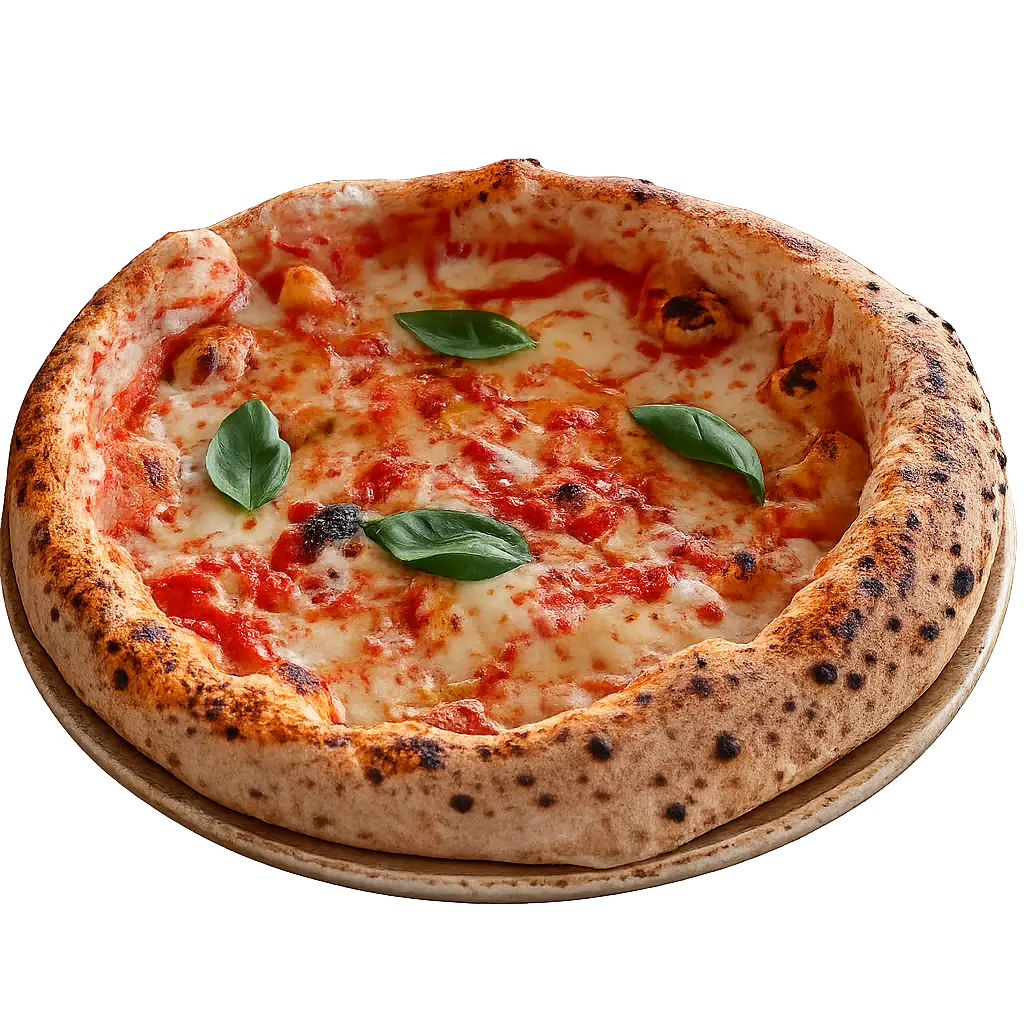

Neapolitan Pizza Ingredients
Authentic Neapolitan pizza depends on very few ingredients, which means every choice is visible in the final result. This guide explains what to look for, what each ingredient does and where quality makes the greatest difference.
The four essential dough ingredients
Traditional Neapolitan pizza dough is lean: flour, water, salt and yeast. There is no need for oil or sugar in the dough. Fermentation, careful handling and a hot bake create the flavour, tenderness and rise.
Flour
Flour builds the dough's structure. For traditional Neapolitan pizza, finely milled 00 pizza flour is the usual starting point, but its strength must suit your fermentation. A flour designed for a short same-day dough behaves differently from one intended for a long biga or cold fermentation.
Water
Water controls hydration, temperature and handling. Start with cool, clean water and add it with control. Higher hydration can create a more open crumb, but only when the flour, mixing, fermentation and shaping can support it.
Salt
Salt is not only seasoning. It strengthens the dough, moderates fermentation and helps the baked crust develop flavour. Weigh it precisely rather than measuring by volume, because crystal sizes vary.
Yeast
Only a small amount is needed when time does the work. Fresh yeast and instant dry yeast can both produce excellent dough, but they are not exchanged gram for gram. The correct quantity depends on time, temperature and method.
For the complete process, read our detailed guide to making Neapolitan pizza dough, including mixing, fermentation, balling and baking.
What is the best flour for Neapolitan pizza?
The best flour is not simply the bag with “00” printed on it. In Italy, 00 describes how finely the flour is milled. It does not tell you everything about protein, strength or how long the dough can ferment. For consistent results, choose a pizza flour made for the method you intend to use.
A dough fermented for many hours needs enough strength to hold gas without becoming weak and sticky. A flour intended for a shorter fermentation may soften too far if it is left for a long biga process. Read the producer's guidance, keep your dough temperature controlled and avoid mixing flours until you understand how each one behaves on its own.
For high heat
Use pizza flour designed for fast baking and controlled browning in a very hot oven.
For long fermentation
Choose sufficient strength for the planned time, temperature and hydration.
For a home oven
A strong 00 pizza flour or suitable bread flour can work; control moisture and bake on a fully heated steel or stone.
Classic Neapolitan pizza toppings
Restraint matters. Too many toppings add moisture and weight, preventing the centre from baking cleanly. A balanced pizza uses a light layer of tomato, well-drained cheese and a few deliberate finishes.
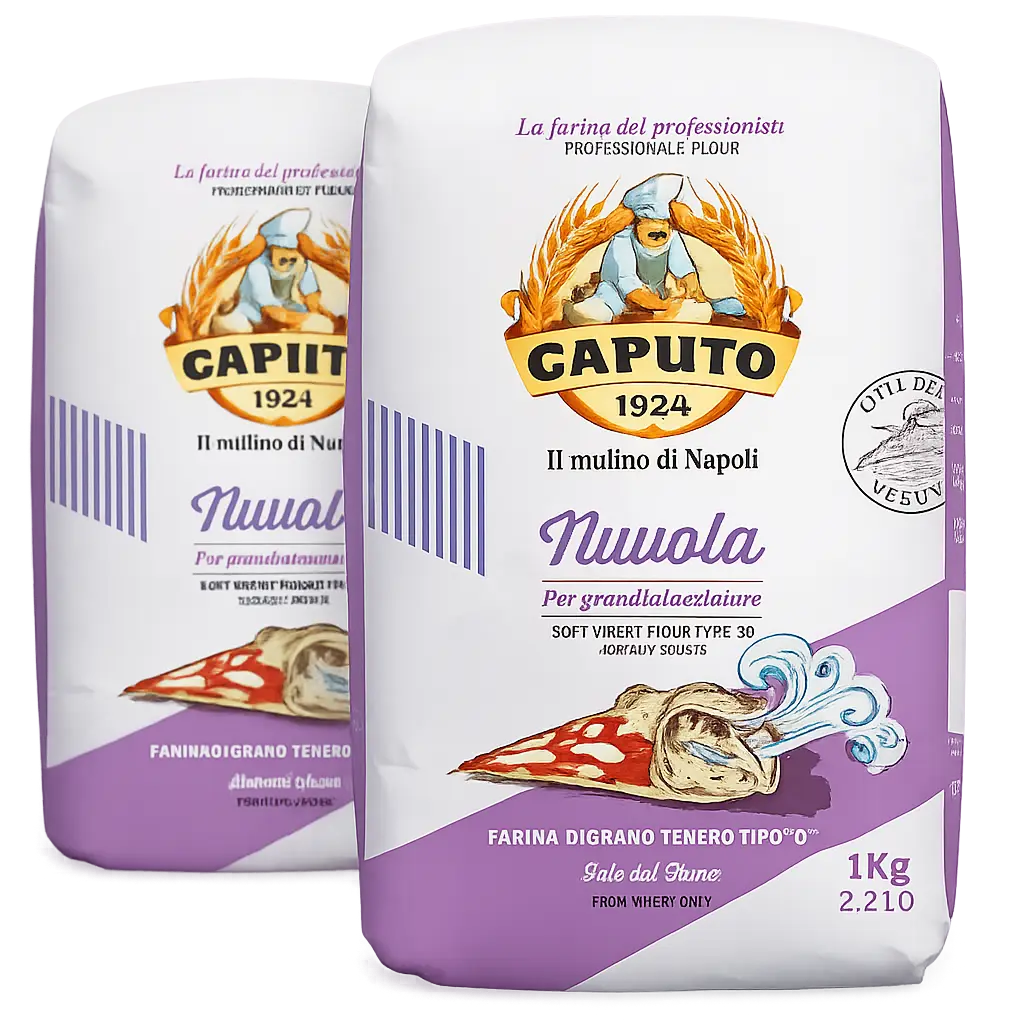
00 Pizza Flour
A finely milled pizza flour supports a soft, extensible dough and a light cornicione. Match the flour's strength to the length and temperature of your fermentation instead of choosing by the 00 label alone.
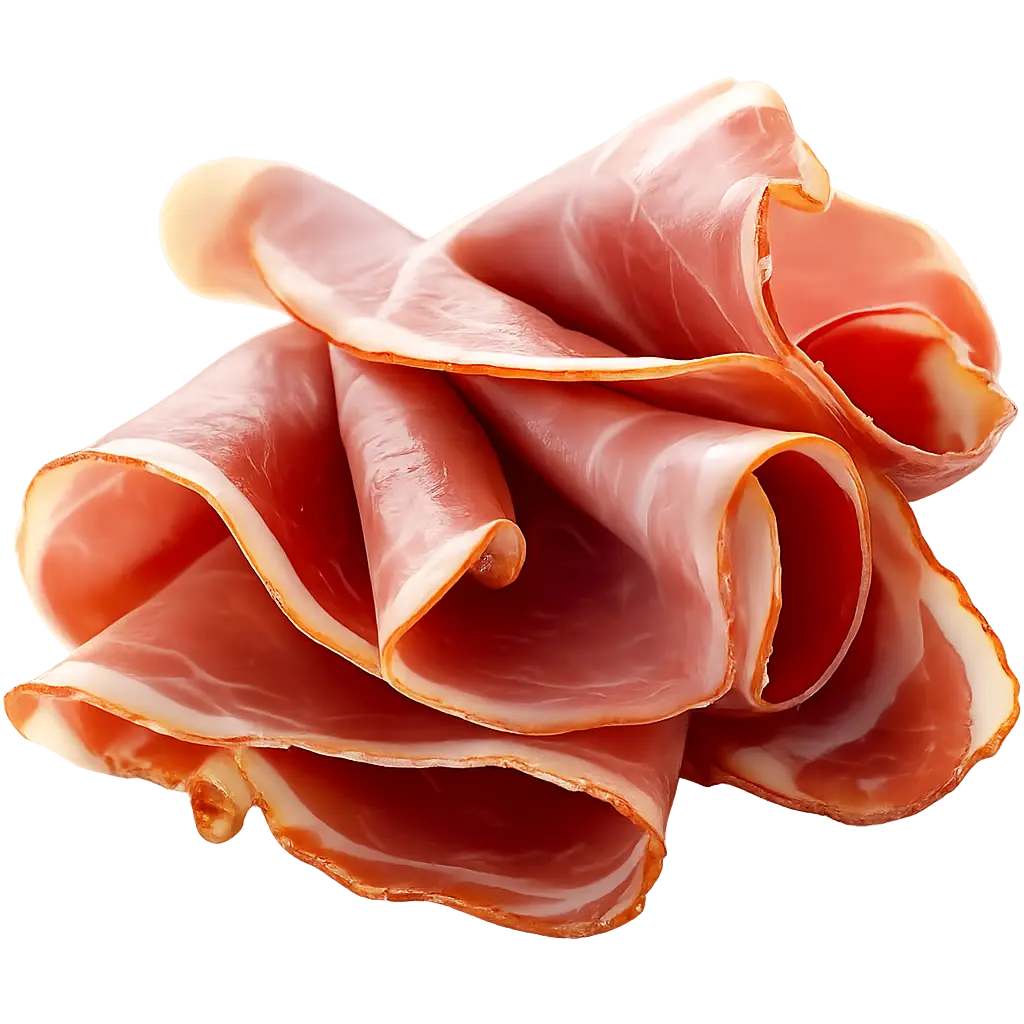
San Daniele Prosciutto
Delicate cured toppings belong on the pizza after baking. San Daniele prosciutto brings savoury depth and gentle sweetness without losing its silky texture in the heat of the oven.
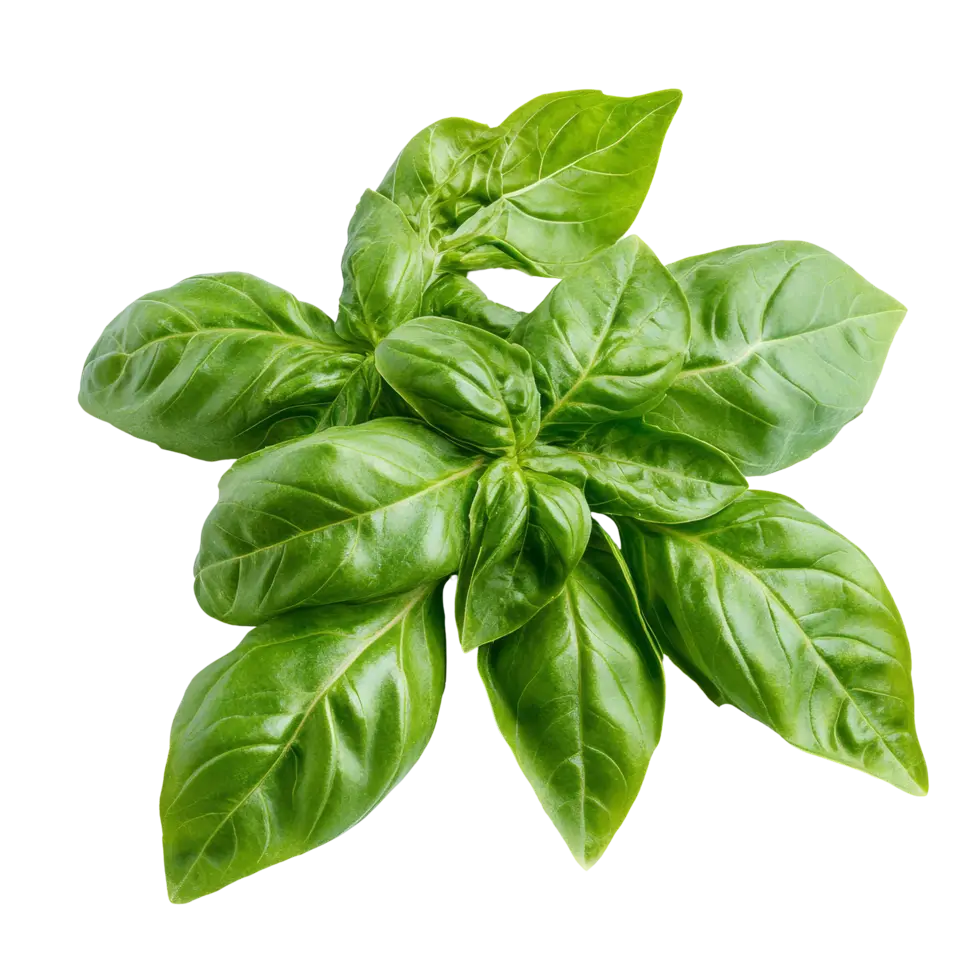
Fresh Basil
Fresh basil adds the unmistakable aroma of a Margherita. Use healthy, dry leaves and add them just before baking or immediately after, depending on the heat of your oven.
Tomatoes
Whole peeled tomatoes give you control over texture. Crush them gently rather than blending them into foam, season simply and drain excess liquid when necessary. San Marzano tomatoes are traditional, but a balanced, ripe plum tomato is more important than a label alone.
Mozzarella
Fior di latte offers a clean dairy flavour and manageable moisture. Mozzarella di bufala is richer and more delicate. Tear or cut the cheese, then let it drain so the pizza does not become watery during its short bake.
Extra-virgin olive oil
Use a fresh oil with a clean aroma and no stale or rancid notes. A modest spiral is enough. Olive oil should complete the tomato and cheese, not pool across the centre.
Basil, garlic and oregano
Basil belongs to the Margherita; garlic and oregano define the Marinara. Fresh, dry leaves and restrained seasoning keep their aromas clear instead of competing with the dough.
A practical ingredient buying guide
| Ingredient | Look for | Avoid |
|---|---|---|
| Flour | Pizza flour suited to your fermentation | Choosing by “00” alone |
| Tomatoes | Whole peeled, balanced and naturally sweet | Thin, heavily seasoned sauce |
| Mozzarella | Fresh flavour and controlled moisture | Wet cheese used straight from its liquid |
| Olive oil | Fresh extra-virgin oil with a clean aroma | Stale oil or an excessive pour |
| Basil | Bright, fragrant, unbruised leaves | Wet leaves or blackened edges |
Oven temperature changes how these ingredients behave. If you bake indoors, use our guide to making Neapolitan pizza in a home oven.
Five ingredient mistakes that hold pizza back
- 01
Using too much yeast
More yeast is not a shortcut to better flavour. It can make timing harder to control and push the dough past its best point.
- 02
Chasing hydration before control
A wetter dough is not automatically lighter. Increase water only when your flour and technique can hold the added hydration.
- 03
Leaving mozzarella too wet
Excess liquid cools the centre and can leave a puddle around the cheese. Drain fresh mozzarella before topping.
- 04
Overloading the centre
Heavy sauce, cheese and toppings prevent a short, hot bake from setting the base. Use less and spread it evenly.
- 05
Ignoring ingredient temperature
Dough and water temperature affect fermentation. Consistent ingredients make timing more repeatable from one batch to the next.
New to the style? Start with what defines authentic Neapolitan pizza before changing formulas or toppings.
Frequently asked questions
What are the essential ingredients in Neapolitan pizza?
The dough uses flour, water, salt and yeast. A classic Margherita adds tomatoes, mozzarella, fresh basil and extra-virgin olive oil, while a Marinara uses tomato, garlic, oregano and olive oil without cheese.
What is the best flour for Neapolitan pizza?
A finely milled Italian 00 pizza flour with enough strength for your chosen fermentation time is the traditional choice. The 00 label describes the fineness of the milling, not the flour's strength, so check the producer's recommended fermentation range as well.
Do you need San Marzano tomatoes for Neapolitan pizza?
San Marzano tomatoes are a classic choice because of their balanced sweetness, acidity and texture, but good-quality whole peeled plum tomatoes can also make an excellent sauce. The most important points are clean flavour, restrained seasoning and avoiding an overly watery sauce.
Is mozzarella di bufala or fior di latte better for pizza?
Both are traditional. Fior di latte is milder and usually releases less moisture, making it easier to manage. Mozzarella di bufala is richer and tangier but should be drained carefully before baking.
Can bread flour replace 00 flour for Neapolitan pizza?
Yes, especially in a home oven, but the result may be chewier and less tender. Choose an unbleached bread flour with moderate-to-high protein, adjust the water gradually and judge the dough by feel rather than forcing the same hydration used with another flour.
Master the complete method
The Secrets of Pizza Guide brings ingredient choice, biga fermentation, dough handling and baking together in one step-by-step system.