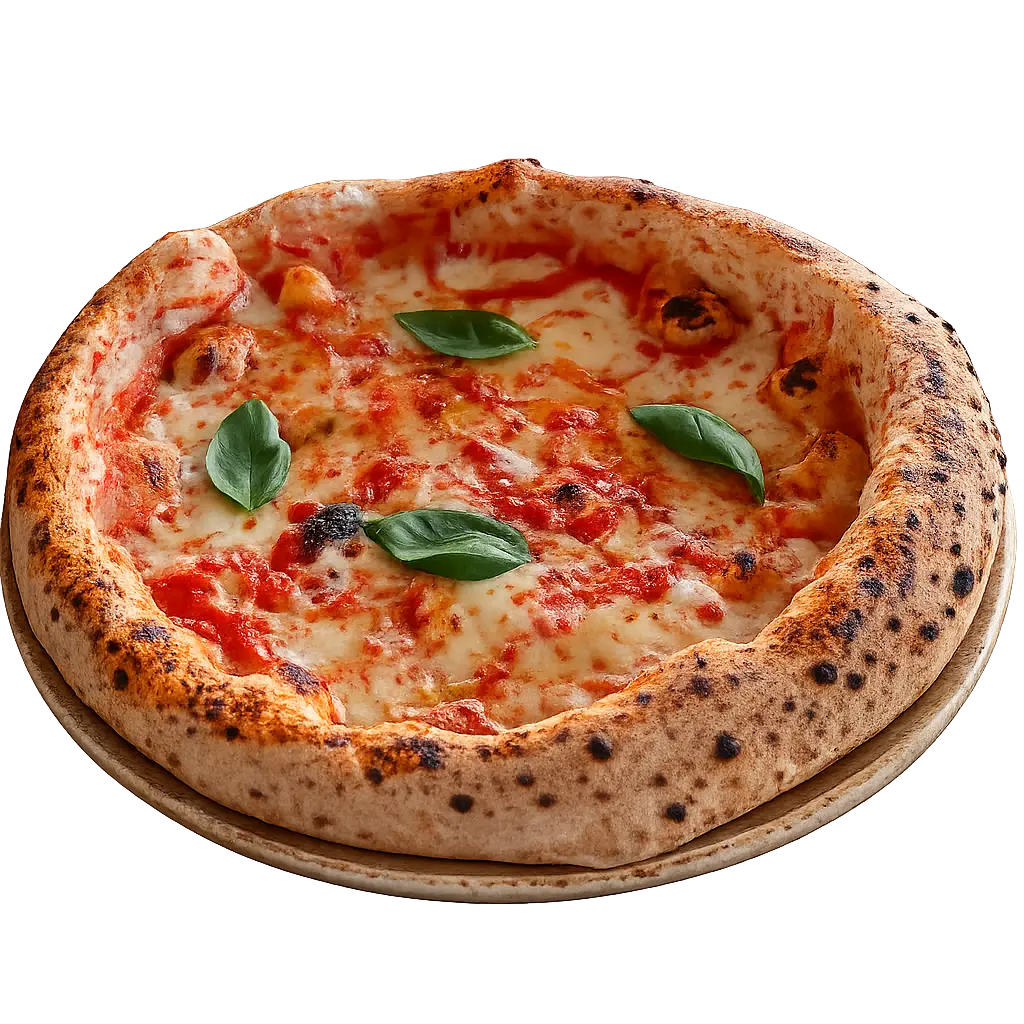
How to Make Marinara Sauce: Easy Homemade Italian Recipe
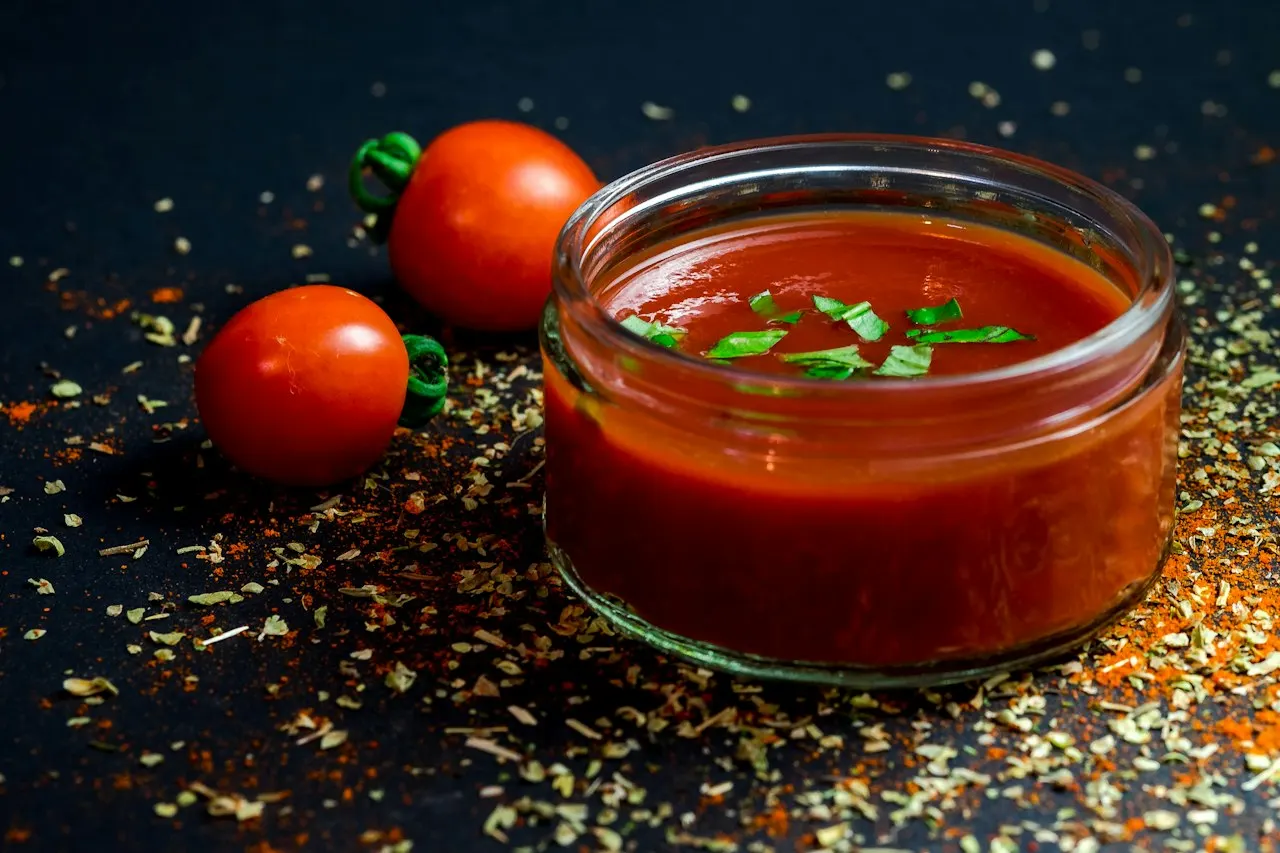
Here is how to make marinara sauce at home: gently cook garlic in olive oil, add good tomatoes and salt, simmer for about 20 minutes and finish with fresh basil. Five simple ingredients give you a bright, versatile homemade sauce for pizza, pasta and dipping.
In this guide
Recipe overview
- Prep
- 5 min
- Cook
- 25 min
- Total
- 30 min
- Yield
- 3 cups · 4 servings
- Difficulty
- Easy
What is marinara sauce?
Marinara is a simple Italian-style tomato sauce made with tomatoes, olive oil, garlic and herbs such as basil or oregano. It is cooked fairly quickly, so it keeps a bright, fresh tomato flavour rather than the deep, long-cooked taste of a ragù.
Recipes vary from kitchen to kitchen — some add onion, oregano or chili, some cook it longer — and there is no single authentic version. It is used on pasta, as a dip, in baked dishes and on pizza; the classic marinara pizza uses the same flavours of tomato, garlic, oregano and oil.
Ingredients for homemade marinara sauce
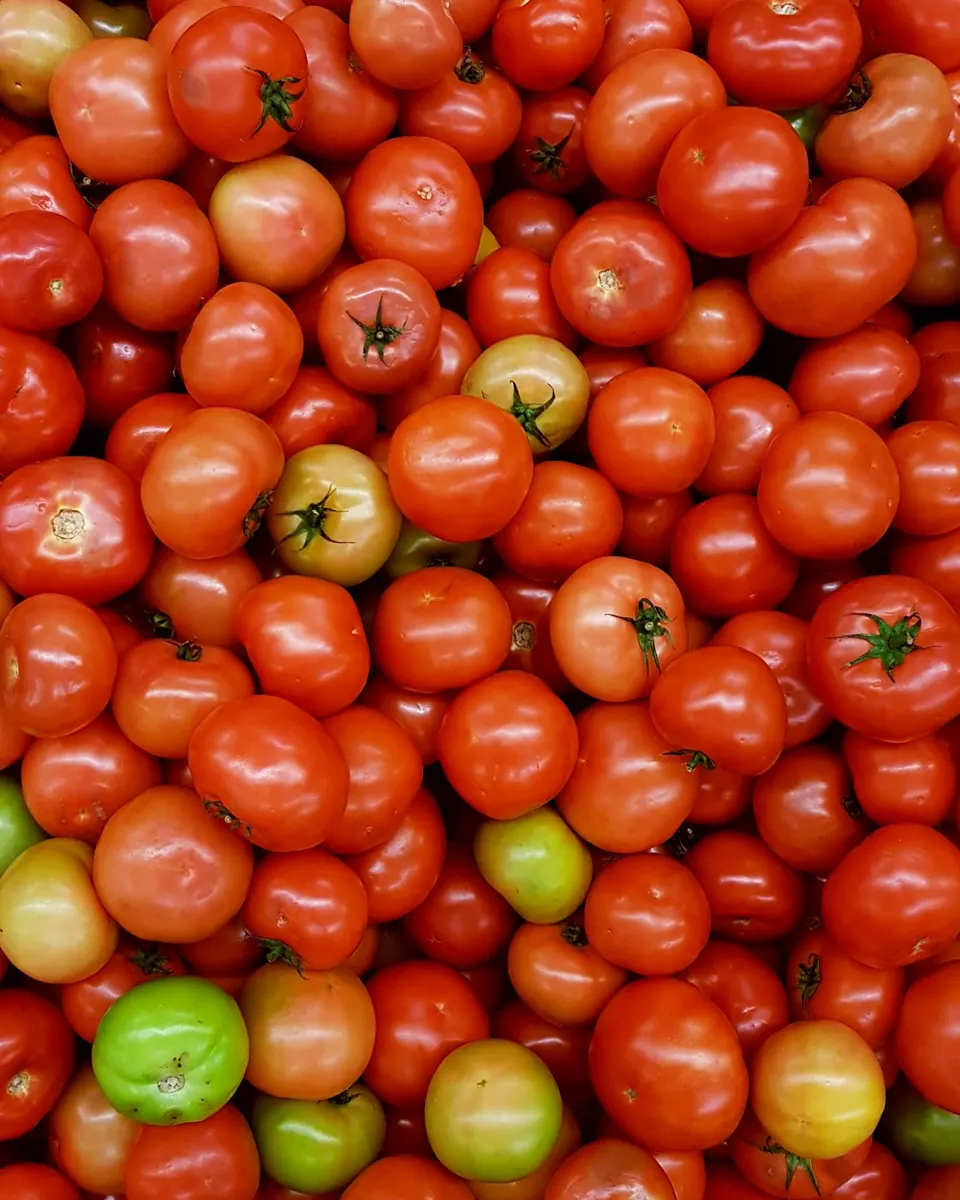
- Tomatoes (800 g) — the base of the sauce. Canned whole peeled tomatoes are the most consistent; crush them yourself for the best texture. Crushed tomatoes or passata work for a smoother sauce. Fresh ripe plum tomatoes are lovely in summer — use about 1.1 kg, peeled and chopped.
- Extra-virgin olive oil (45 g) — carries the garlic flavour and rounds out acidity.
- Garlic (4 cloves) — sliced rather than minced so it cooks evenly and is less likely to burn.
- Salt (6 g) — brings out the sweetness of the tomatoes. Add the rest at the end, to taste.
- Fresh basil — added off the heat for a fresh aroma. A pinch of dried oregano is a good alternative.
- Chili flakes (optional) — a little warmth; leave out for a classic sauce.
How to make marinara sauce step by step
1. Prepare the ingredients
Crush the tomatoes in a bowl with your hands or a masher, remove any hard stem ends, slice the garlic and pick the basil leaves. Having everything ready matters: garlic cooks in under two minutes.
2. Warm the olive oil
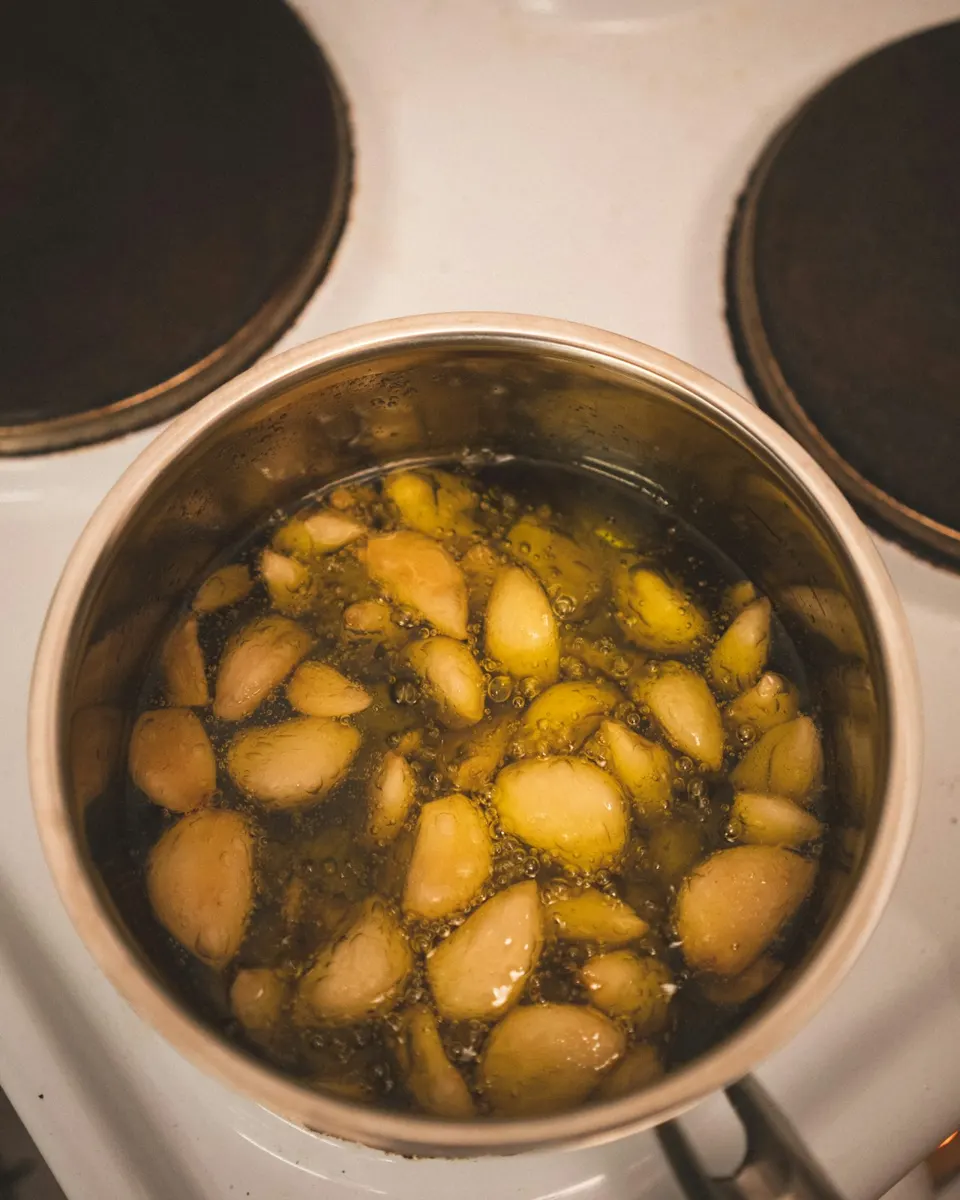
Heat the oil in a wide saucepan over medium-low heat. It is ready when it moves freely in the pan and shimmers slightly — it should never smoke.
3. Cook the garlic gently
Add the garlic and stir for 1–2 minutes. It should sizzle softly, smell sweet and turn just pale gold at the edges. If it turns brown, it will taste bitter — it is better to start again than to ruin the whole sauce.
4. Add the tomatoes and salt
Pour in the tomatoes straight away — they stop the garlic cooking. Add the salt and a splash of water rinsed from the cans. The sauce will look thin and orange-red at this stage.
5. Simmer to the right consistency
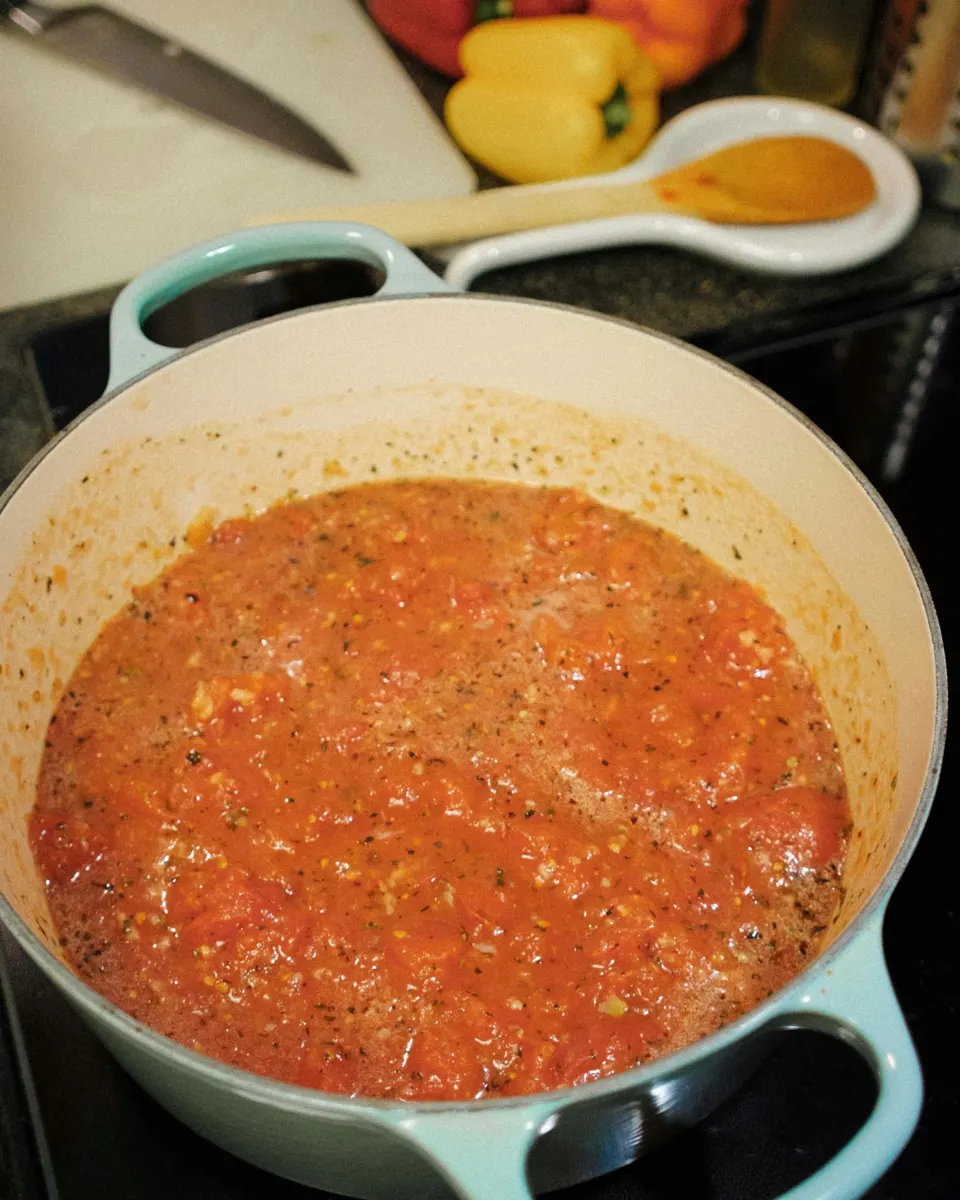
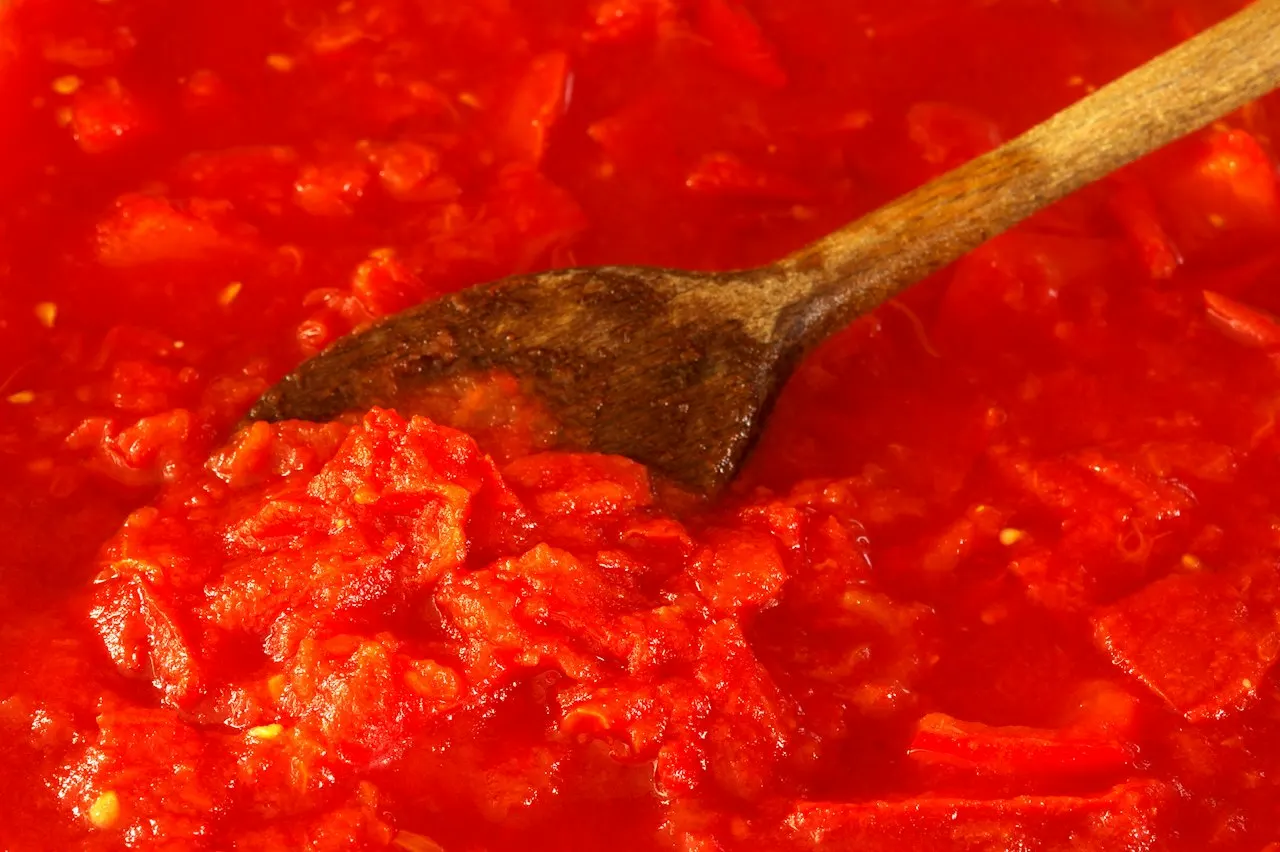
Bring it to a gentle simmer — small, lazy bubbles, not a rolling boil — and cook uncovered for about 20 minutes, stirring now and then. The colour deepens to a richer red, the raw tomato smell turns sweeter, and the sauce thickens until a spoon drawn across the pan leaves a trail. A little oil pooling on top is a good sign.
6. Add the basil
Turn off the heat and tear in the basil. Added at the end, it stays fragrant; cooked for too long, it fades.
7. Taste and adjust
Taste with a piece of bread or a spoon. Add salt a pinch at a time. If it tastes sharp, a little more olive oil or a few more minutes of simmering usually balances it.
8. Serve or store
Use it hot on pasta, or cool it before using it on pizza or storing it.
Tips for the best marinara sauce
- Choose tomatoes carefully — the sauce has few ingredients, so good tomatoes make the biggest difference.
- Prevent burnt garlic — low heat, sliced garlic and tomatoes ready to go.
- Balance acidity without reaching for sugar first — riper tomatoes, a little more simmering and good olive oil usually do it.
- Control thickness — simmer longer to thicken; add a splash of water or pasta water to loosen.
- Use fresh herbs at the end — basil goes in off the heat.
- Season gradually — it is easy to add salt and impossible to take it out.
- Chunky or smooth — crushed by hand for pasta, briefly blended for pizza and dipping.
How long should marinara sauce simmer?
For this recipe, about 20 minutes. That is enough to cook off the raw edge and thicken the sauce while keeping a fresh, bright flavour — ideal for a weeknight.
A longer simmer of 40–60 minutes on very low heat gives a deeper, sweeter and thicker sauce, which some people prefer for baked dishes. Longer is not automatically better, though: cook too long and marinara loses its freshness. Stir more often as it thickens, and add a splash of water if it starts to catch.
Marinara sauce variations
These are optional changes to the main recipe above:
- Spicy marinara — add ½ teaspoon chili flakes with the garlic.
- Garlic-forward marinara — use 6–8 cloves and cook them slowly.
- Fresh basil marinara — double the basil and add half of it at the table.
- Smooth marinara — blend briefly with a stick blender after simmering.
- Chunky rustic marinara — crush the tomatoes roughly and leave pieces whole.
How to use homemade marinara sauce
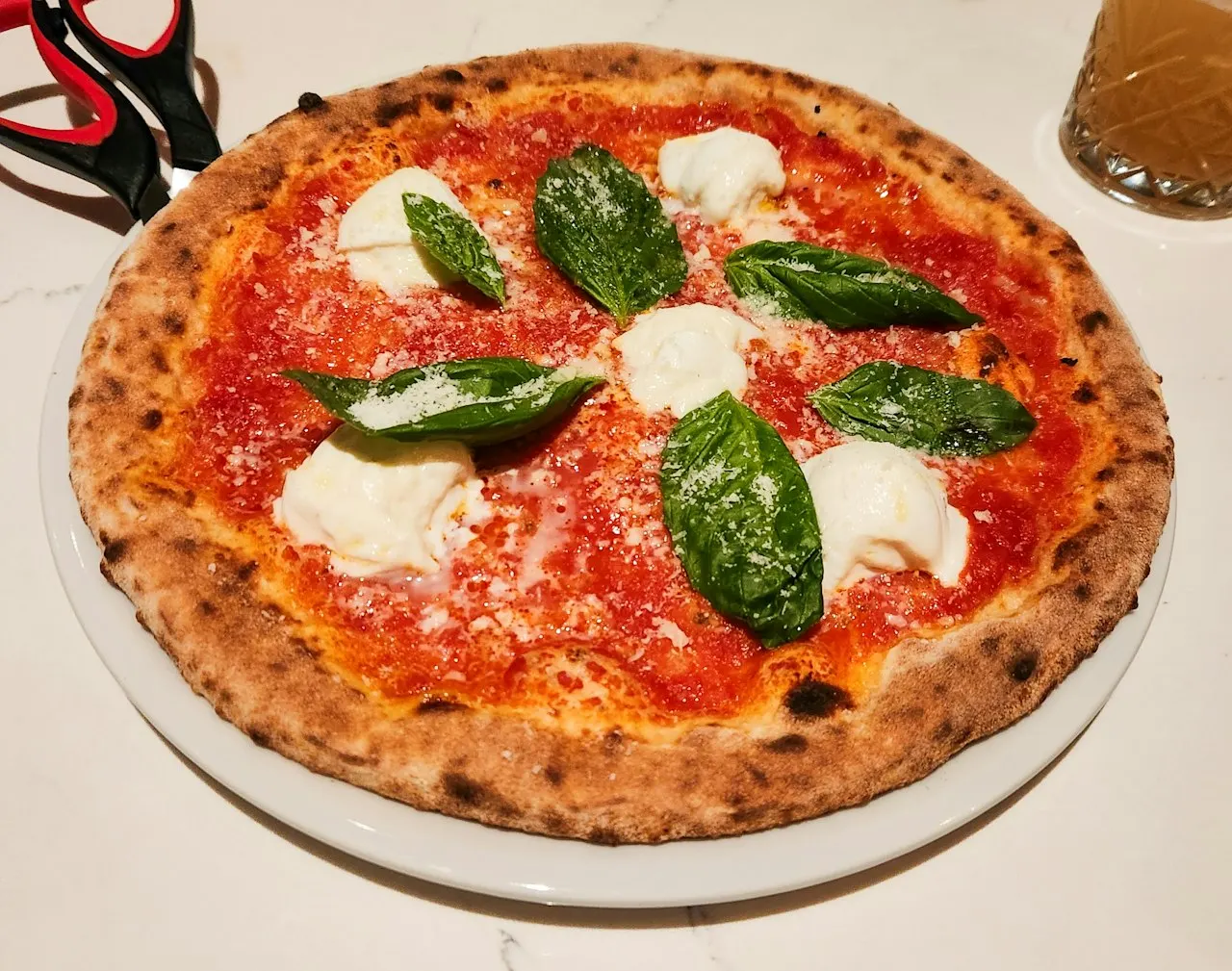
- Homemade pizza — spread a thin layer of cooled, thick sauce. Try it on our homemade pizza or a Margherita.
- Pasta — toss with spaghetti and a splash of pasta water.
- Breadsticks and focaccia — serve warm as a dip.
- Mozzarella sticks — a classic dipping sauce.
- Meatballs — simmer them gently in the sauce.
- Baked Italian dishes — lasagne, baked pasta and aubergine parmigiana.
Marinara sauce vs. pizza sauce
The difference is mostly practical. Marinara is usually cooked, which makes it thicker and mellower, and often includes garlic and herbs. Many pizza sauces — including the Neapolitan approach — use uncooked crushed tomatoes with salt, because the sauce cooks on the pizza in a very hot oven.
Neither rule is fixed. A thick, cooled marinara works well on pizza, especially in a home oven, and some pizza sauces are cooked. If you are making Neapolitan-style pizza, see Neapolitan pizza ingredients for the tomato choice.
Storage, freezing and reheating
- Refrigerate — cool within 2 hours, then store covered in the fridge for up to 4 days.
- Freeze — in airtight containers or freezer bags with space for expansion, for up to 3 months. Label with the date.
- Thaw and reheat — thaw overnight in the fridge, then reheat in a saucepan until steaming hot throughout, adding a splash of water if needed.
- Spoilage — discard sauce that smells sour or fermented, shows mould, or has been kept longer than recommended.
- Do not store homemade sauce in sealed jars at room temperature unless you follow a validated home-canning process.
Frequently asked questions
How do you make marinara sauce from scratch?
Gently cook sliced garlic in olive oil, add crushed canned or fresh tomatoes and salt, then simmer uncovered for about 20 minutes until thickened. Finish with fresh basil and adjust the seasoning.
What tomatoes are best for marinara sauce?
Good canned whole peeled tomatoes — such as San Marzano or other Italian plum tomatoes — give the most reliable flavour all year. Ripe fresh plum tomatoes work in summer.
Do you need to peel tomatoes?
Canned whole tomatoes are already peeled. With fresh tomatoes, peeling gives a smoother sauce: score a cross, blanch for 30 seconds and slip the skins off. For a rustic sauce you can leave the skins on.
Should marinara sauce be blended?
It is a matter of preference. Crushed by hand it stays rustic and chunky; a few pulses with a stick blender make it smooth, which many people prefer for pizza and dipping.
How do you make marinara sauce less acidic?
Start with ripe, good-quality tomatoes, simmer a little longer and add a little more olive oil. A small pinch of sugar is an option if the tomatoes are very sharp, but taste first — often it is not needed.
Can you use marinara sauce on pizza?
Yes. Cool it first and spread it thinly. For a crisp crust, simmer it until fairly thick so it does not make the base soggy.
How long does homemade marinara sauce last in the refrigerator?
Up to 4 days in a covered container in the fridge. Cool it within 2 hours of cooking.
Can homemade marinara sauce be frozen?
Yes. Freeze in airtight containers or freezer bags, leaving space for expansion, for up to 3 months. Thaw overnight in the fridge.
What is the difference between marinara sauce and pasta sauce?
Marinara is a specific simple tomato sauce with garlic, oil and herbs. “Pasta sauce” is a broad term that also covers sauces with meat, cream, vegetables or cheese.
Recipe card
Homemade Marinara Sauce
A quick, bright tomato sauce with garlic, olive oil and basil. Makes about 750 ml (3 cups), 4 servings of pasta or sauce for 8 pizzas.
- Prep
- 5 min
- Cook
- 25 min
- Total
- 30 min
Sauce
To finish
Instructions
- 1.Pour the tomatoes into a bowl and crush them by hand or with a potato masher, removing any hard stem ends. Slice the garlic and pick the basil.
- 2.Warm the olive oil in a wide saucepan over medium-low heat for about 1 minute — it should shimmer, not smoke.
- 3.Add the garlic (and chili flakes, if using) and cook gently for 1–2 minutes, stirring, until fragrant and pale gold. Do not let it brown.
- 4.Add the crushed tomatoes with their juices and the salt. Swirl a splash of water in the cans and add it too.
- 5.Bring to a gentle simmer and cook uncovered for 20 minutes, stirring now and then, until the sauce thickens and the oil starts to pool on the surface.
- 6.Turn off the heat, tear in the basil and stir.
- 7.Taste and adjust with more salt or a drizzle of olive oil.
- 8.Serve hot, or cool completely and refrigerate in a covered container.
Great sauce deserves great dough
The Secrets of Pizza eBook gives you the full Neapolitan method — biga, fermentation and baking, step by step — so your homemade sauce lands on a pizza worth it.
Get the Secrets of Pizza Guide — $29.99